
BLOG
What is a Technical Seo ?
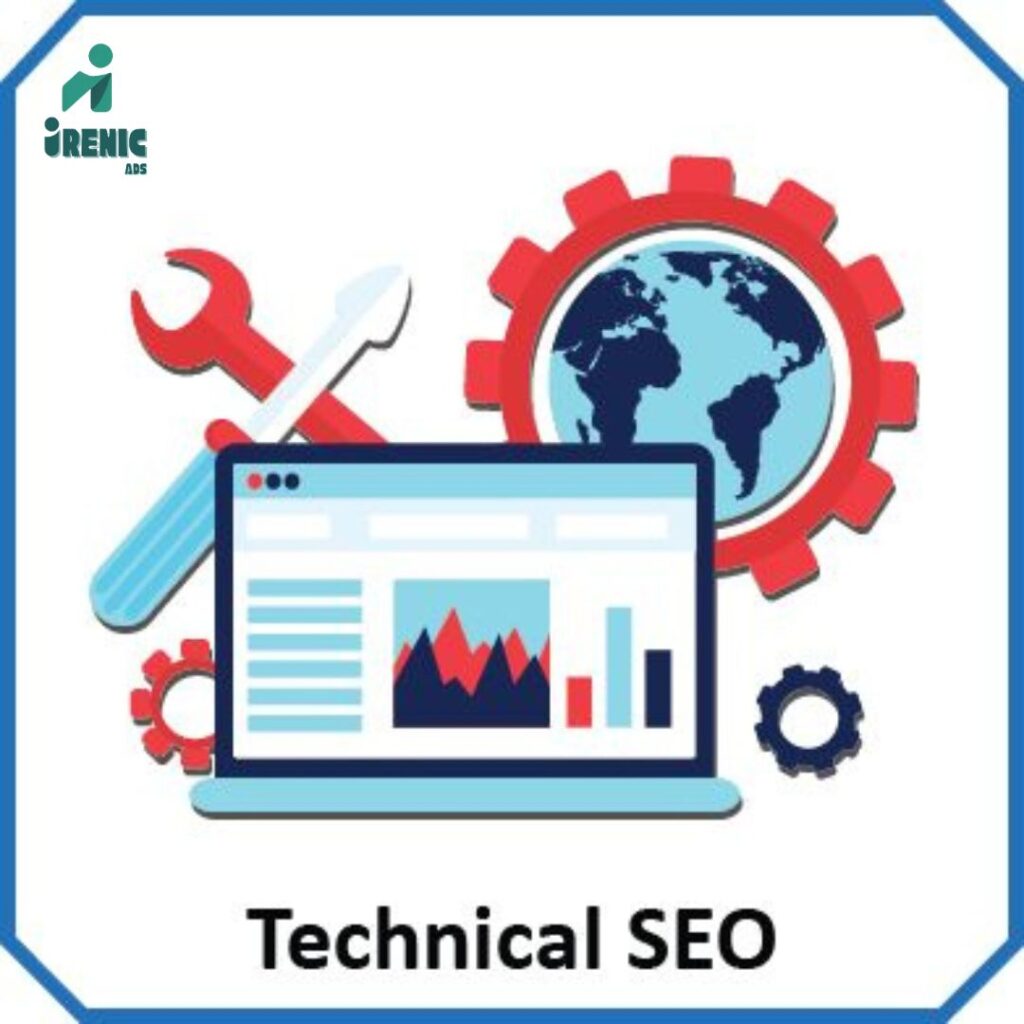
Technical SEO is the backbone of every successful website. While content and backlinks help your pages rank, technical SEO ensures that search engines can actually crawl, understand, and index your site properly. Without a strong technical foundation, even the best content may struggle to appear in search results.
At its core, technical SEO focuses on improving your website’s infrastructure—from speed to structure—to boost visibility, performance, and user experience.
Why Technical SEO Matters ?
Search engines like Google use hundreds of ranking signals, but many of the most important ones come from the technical health of your site. Strong technical SEO helps you:
✔ Improve Website Speed
Fast-loading pages reduce bounce rates and increase user satisfaction.
✔ Strengthen Crawlability & Indexing
Google Bots must be able to discover and interpret your pages efficiently.
✔ Enhance Mobile Experience
With mobile-first indexing, mobile optimisation is a must.
✔ Boost Organic Rankings
A technically sound website instantly increases your chances of appearing on top search results.
✔ Increase Conversions
Better performance = better user experience = more sales.
Key Elements of Technical SEO
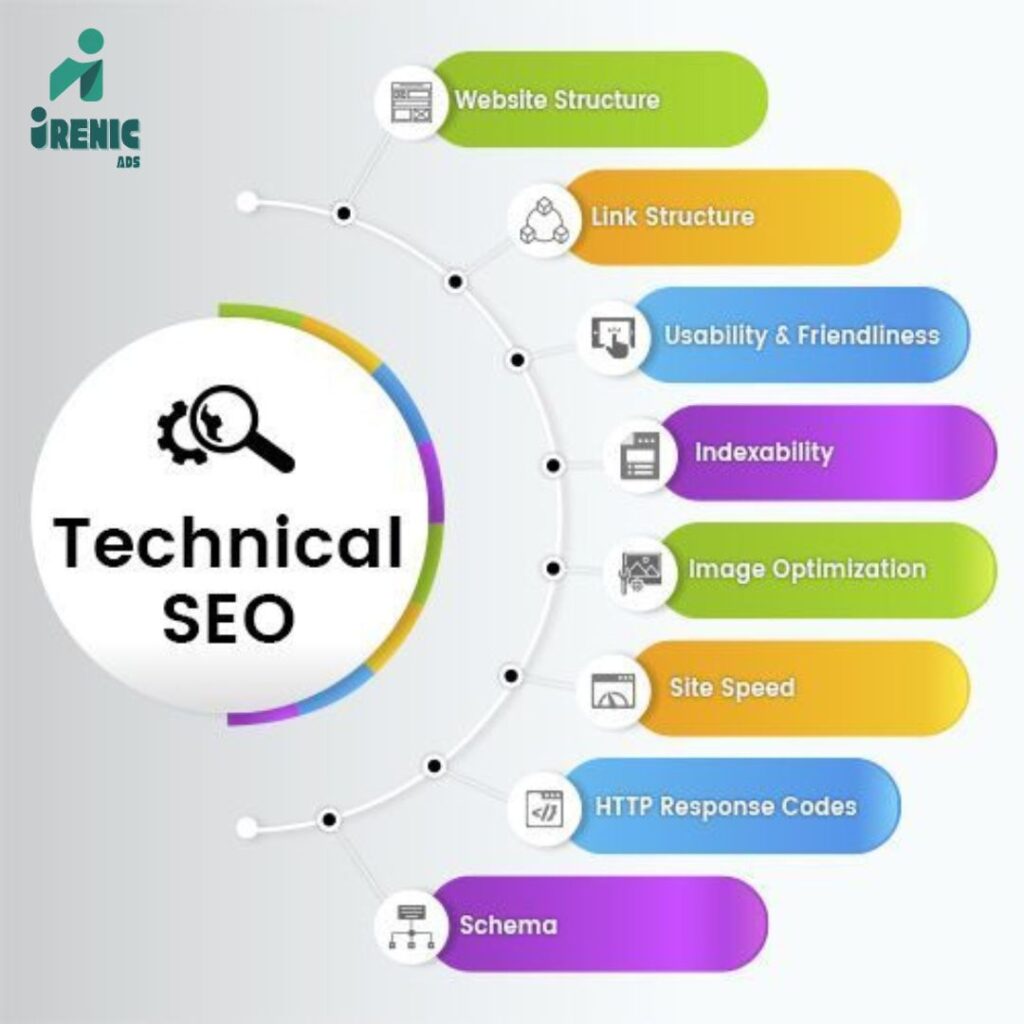
1. Website Speed Optimisation
Page speed is a major ranking factor. Compressing images, removing unused code, and using a CDN can significantly improve load time.
2. Mobile-Friendly Design
Most visitors browse through their phones. A responsive design improves both ranking and engagement.
3. XML Sitemaps & Robots.txt
These files guide search engine crawlers, ensuring your important pages get indexed.
4. Secure HTTPS
Security matters. Switching to HTTPS builds trust and protects user data.
5. Structured Data (Schema Markup)
Helps Google understand your content better and enables rich search results like ratings, FAQs, and product info.
6. Fixing Broken Links & Duplicate Content
These issues harm SEO performance and must be corrected regularly.
7. Core Web Vitals
Google’s system that measures loading speed, interactivity, and visual stability.
Why Businesses Need Technical SEO in 2025 ?
As competition grows, Google continues to reward websites that deliver quality, speed, and excellent user experience. Technical SEO ensures your website stays ahead of the curve—fully optimized, stable, and fast.
Whether you run an e-commerce store, service business, or local brand, technical SEO is no longer optional—it’s essential.
Technical SEO Services by Irenic Ads
At Irenic Ads, we help brands improve their digital presence through advanced, results-driven technical SEO strategies.
From speed optimization and schema setup to crawling audits and website fixes, we ensure your site works flawlessly and ranks higher across search engines.
If you’re ready to strengthen your online visibility, improve performance, and boost conversions—Irenic Ads has the expertise to make it happen.
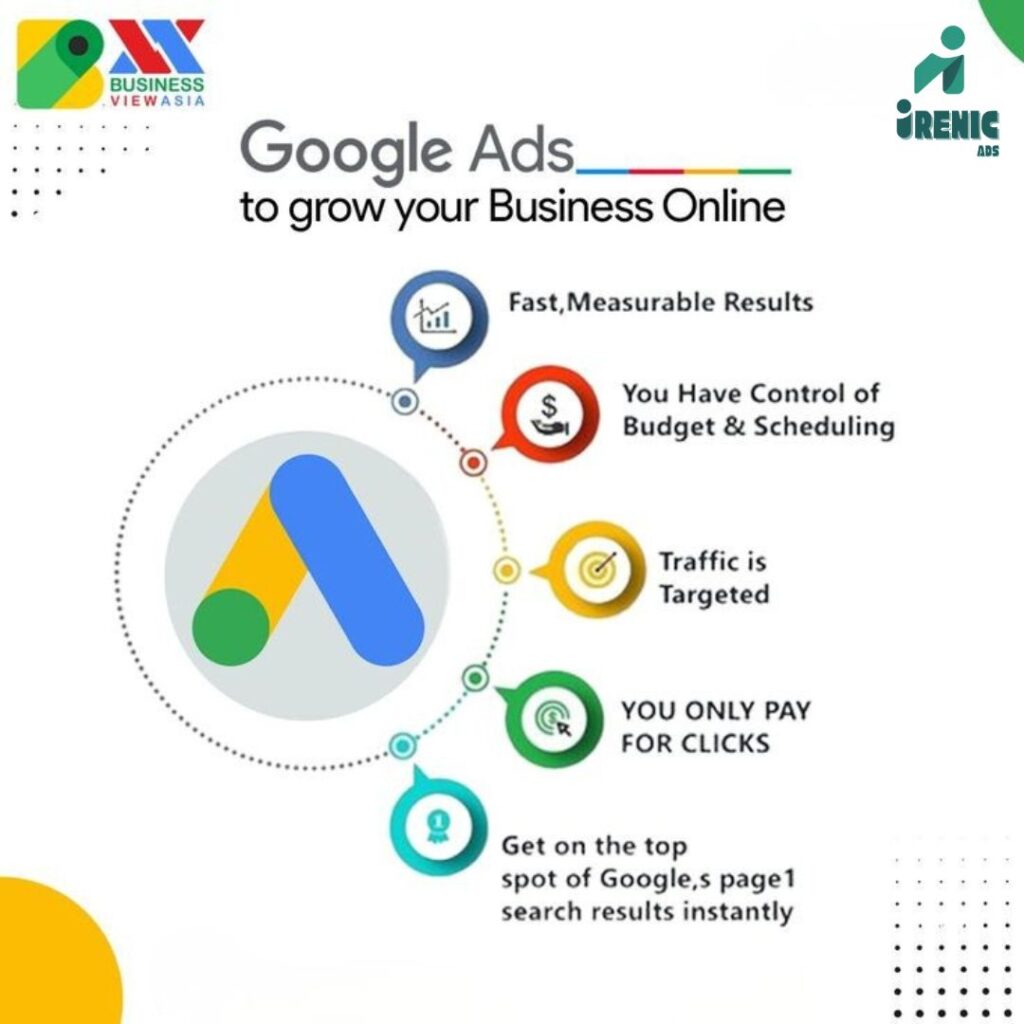
What Are the Different Types of Google Ads Campaigns ?
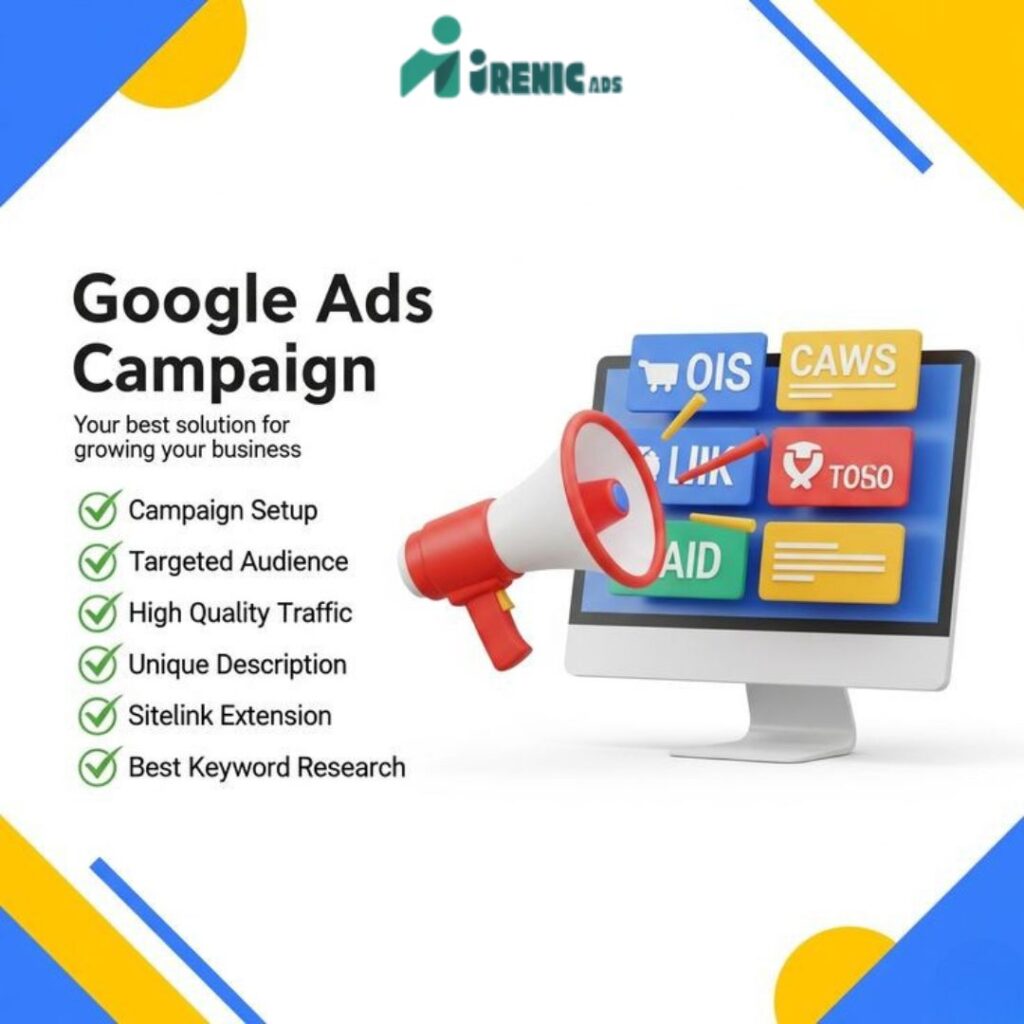
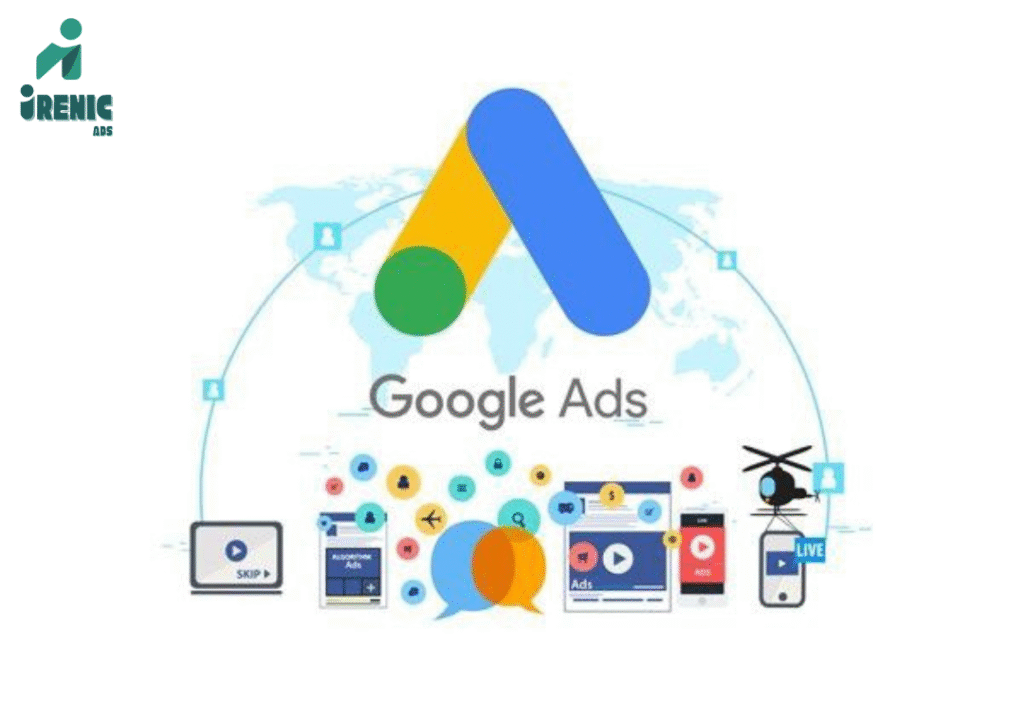
Google Ads is one of the most powerful advertising platforms available today, helping businesses reach potential customers exactly when they are searching, browsing, or watching relevant content online. Whether you want to increase website traffic, generate leads, boost sales, or build brand visibility, choosing the right Google Ads campaign type is key to your success.
Below are the main types of Google Ads campaigns and how they work.
1. Search Campaigns
These are text ads that appear on Google search results when users look for specific keywords. Perfect for generating high-intent traffic and quick leads.
2. Display Campaigns
Display ads appear on millions of websites, apps, and Google’s partner platforms. They’re great for brand awareness, remarketing, and reaching a wider audience visually.
3. Video Campaigns (YouTube Ads)
These run on YouTube and partner video platforms. Ideal for brands that want high engagement, visual impact, and stronger storytelling.
4. Performance Max Campaigns
PMax uses Google’s AI to deliver ads across all Google channels—Search, Display, YouTube, Maps, Discover, and Gmail. It’s the best choice for maximizing conversions with minimal manual effort.
5. Shopping Campaigns
These show product images, prices, and store information—mostly used by e-commerce businesses to drive high-intent sales.
6. App Campaigns
Focused on promoting mobile apps across Google Search, Play Store, YouTube, and Display networks. Google optimizes placements automatically for installs or in-app actions.
7. Local Campaigns (Now part of PMax)
These help drive store visits, calls, and local actions for businesses with physical locations.
Why This Matters
Choosing the right Google Ads campaign type helps businesses target the correct audience, improve ad spend efficiency, and drive better results based on their goals—whether it’s sales, leads, or brand visibility.
Want Better Google Ads Results?
If you’re looking to run high-ROI Google Ads campaigns with proper keyword targeting, conversion tracking, and AI-driven optimization, Irenic Ads can help. We specialize in Google Ads management, SEO, website marketing, and complete digital growth strategies to scale your business faster.
Best & Worst Email Marketing Tools – What’s Truly Worth Using?
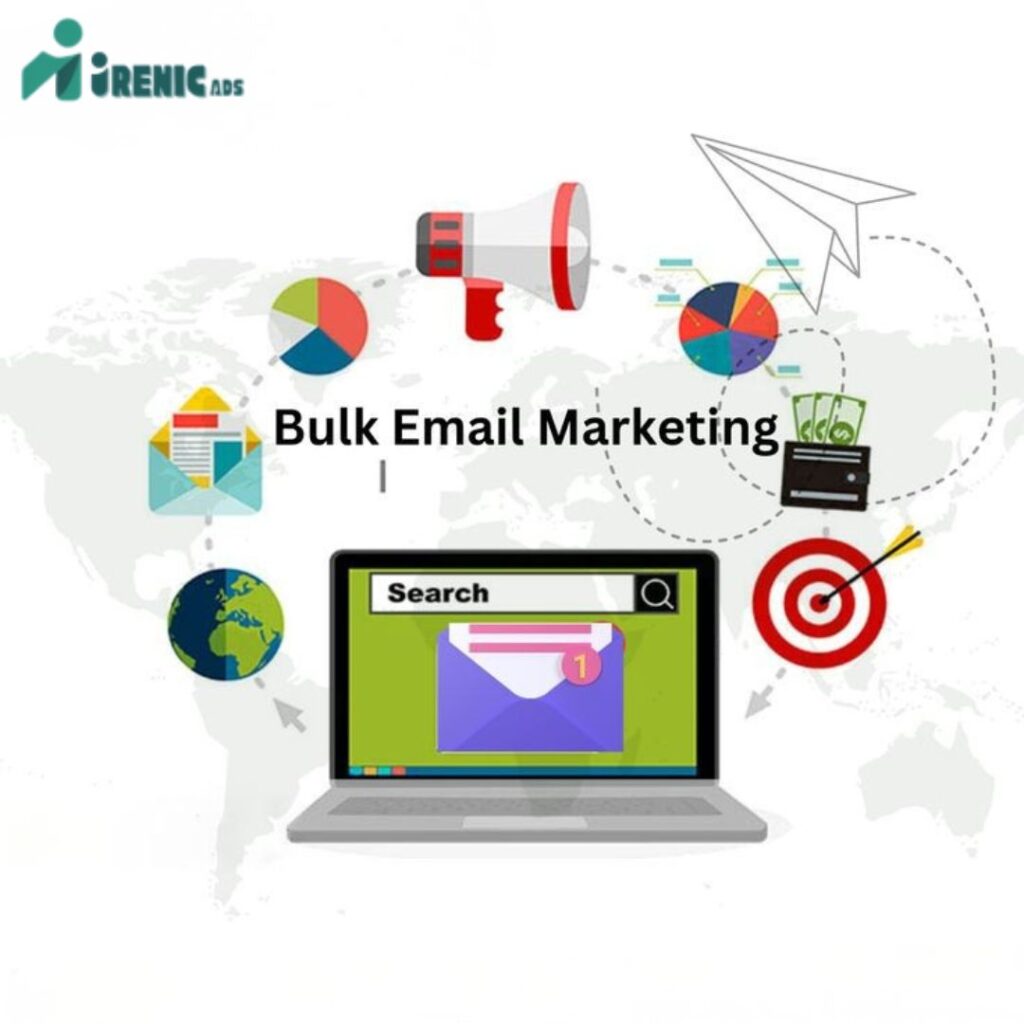
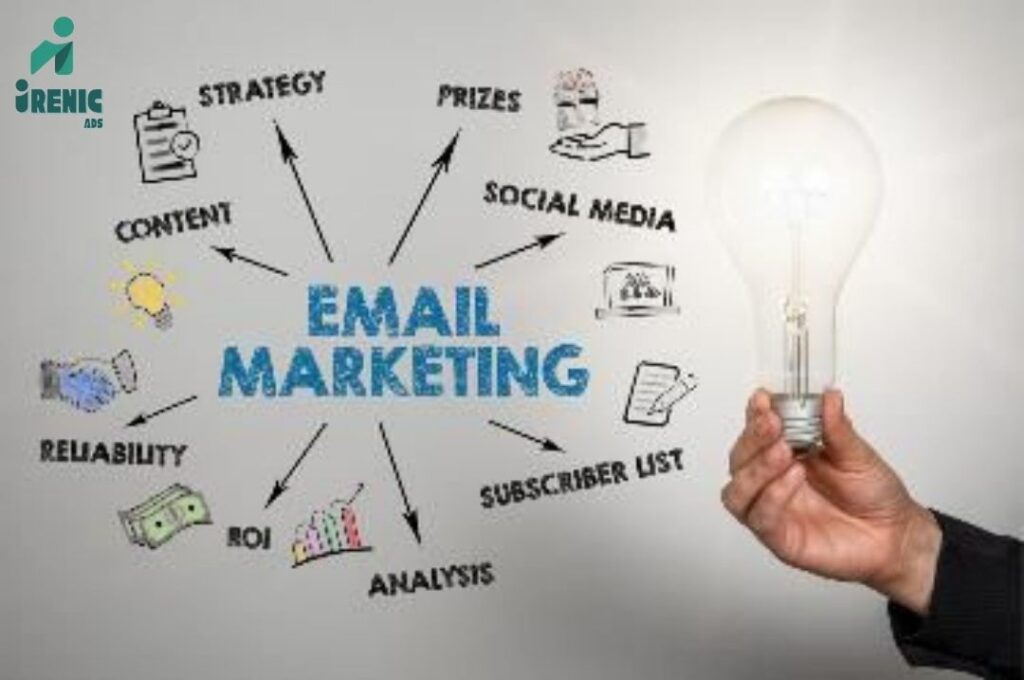
Email marketing remains one of the strongest digital strategies for nurturing leads and driving conversions. But with so many tools available, choosing the right platform can make or break your results. Here’s a detailed look at the best and worst email marketing tools, based on usability, automation, deliverability, and overall value.
Best Email Marketing Tools
1. Mailchimp – Best for Beginners
Mailchimp is one of the most popular tools thanks to its simple interface and generous free plan. It’s perfect for small businesses or creators who need quick templates, easy campaign setup, and basic automation.
Best for: Beginners, small businesses, newsletters.
2. ActiveCampaign – Best for Automation
If you’re serious about advanced email workflows, ActiveCampaign is a powerhouse. It offers detailed segmentation, strong CRM features, and some of the highest deliverability rates.
Best for: Businesses that rely heavily on automation and personalization.
3. GetResponse – Best All-in-One Solution
GetResponse stands out with its landing pages, webinar hosting, and full automation builder. It’s ideal if you want multiple marketing tools under one roof without switching platforms.
Best for: Mid-size businesses, marketers running webinars.
4. Brevo (Sendinblue) – Best for Affordability
Brevo provides email + SMS marketing at a budget-friendly price. The pay-as-you-go model makes it perfect for startups who want professional features without heavy monthly costs.
Best for: Startups, SMEs, SMS + email integration.
Worst or Less Effective Email Marketing Tools
1. Tools with Poor Deliverability
Some low-cost platforms send emails through weak servers that often get flagged as spam. Even good campaigns can fail if they never reach the inbox.
2. Platforms with Outdated UI
Tools that feel slow, outdated, or cluttered can waste time and complicate the entire marketing workflow. A bad interface often leads to poor campaign execution.
3. Limited-Automation Tools
Cheap alternatives may cut costs but lack essential features like segmentation, A/B testing, and behavior tracking. Without automation, scaling your email marketing becomes nearly impossible.
Final Thoughts
The best email marketing tool is the one that fits your business goals—strong deliverability, smart automation, and clean analytics should always be your priority. Investing in the right platform ensures better engagement, conversions, and long-term growth.
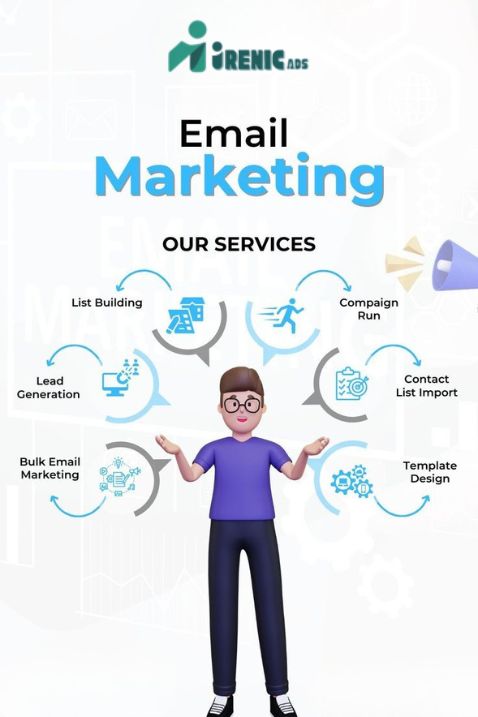
Irenic Ads – Boost Your Email Marketing Success
If you want email campaigns that generate real results, Irenic Ads helps businesses set up high-performing automation flows, improve deliverability, and integrate email marketing with SEO, Google Ads, and social media for maximum ROI. Explore more tailored marketing solutions on Irenic Ads’ website and take your brand’s digital growth to the next level.